
Uncategorized
“কোরবানির প্রকৃত অর্থ কি? ইসলামে আত্মত্যাগের মহিমা”


ঈমানের দীপ্তি
মিজানুর রহমান
(কোরবানির প্রকৃত অর্থ)
ইব্রাহিমের বুকে ছিল ঈমানের দীপ্তি,
আল্লাহ চাইলে প্রিয় সন্তানেও নাই কোনো ক্ষীপ্তি।
ইসমাইল বলল, “বাবা, পালন কর আদেশ,
আল্লাহ যদি চান, পাব আমরা নিঃশেষ।”
ত্যাগের এই দৃশ্য দেখে কাঁদে আসমান,
আল্লাহ দিলেন বদল করে কোরবানির জান!
কোরবানি হলো শুরু, রক্ত নয় যে আসল,
আত্মত্যাগেই লুকানো ইমানের ফসল।
কোরবানির পশু নয়, চাই খাঁটি মন,
আল্লাহ চান নিয়ত, একাগ্র ধ্যান-চিন্তন।
অহংকার রাখো দূরে, পশু নিয়ে নয় গর্ব,
হৃদয়ে থাকুক ত্যাগ, মনের কালিমা করো খর্ব।
মাংস পৌঁছায় না রবের কাছে, তাকওয়া পৌঁছায়,
যে অন্তরে থাকে আল্লাহভীতি–ঈমানের পরিচয়।
পিতা-পুত্রের আত্মত্যাগের ইতিহাস বহমান,
সকল হৃদয়ে জাগে যেন খোদাভীতি-জ্ঞান।
ত্যাগ আর সৎ চিন্তায় কর তোমরা দান,
কোরবানি কর মনের পশু মজবুত কর ঈমান।
ঈমানের দীপ্তি: কোরবানির প্রকৃত অর্থ ও আত্মত্যাগের মহিমা
ভূমিকা
ইব্রাহিম (আ.)-এর অন্তরে প্রজ্জ্বলিত ছিল বিশ্বাসের দীপ্ত শিখা,যে আলোয় আলোকিত হয়ে তিনি আল্লাহর নির্দেশে নিজের অতি আদরের পুত্র ইসমাইল (আ.)-কে কোরবানি করতে প্রস্তুত হয়েছিলেন।এই ঘটনা কেবল ইতিহাসের এক গৌরবময় স্মারক নয়,বরং ত্যাগ, আনুগত্য ও ঈমানের চূড়ান্ত পরীক্ষা। “ঈমানের দীপ্তি” কবিতাটি এই মহান ঘটনাকে কেন্দ্র করে রচিত, যেখানে কবি কোরবানির রক্তাক্ত রীতির বদলে আত্মশুদ্ধি ও মনের পশুত্ব বিসর্জনের দিকে ইঙ্গিত করেছেন।
কবিতার মূল সুর
“ইব্রাহিম (আ.)-এর ঈমানের দৃঢ়তার বর্ণনা দিয়ে কবিতাটি শুরু হয়েছে।আল্লাহর আদেশে তিনি যখন নিজ পুত্র সন্তানকে কোরবানি করতে উদ্যত হন, তখন ইসমাইল (আ.)-এর জবাব ছিল—
“বাবা, পালন কর আদেশ,
আল্লাহ যদি চান, পাব আমরা নিঃশেষ।”
এই লাইনে ফুটে উঠেছে পিতা-পুত্রের পরম আত্মসমর্পণ।কবি এখানে কোরবানির প্রকৃত অর্থ ব্যাখ্যা করেছেন-“রক্ত-মাংস নয় যে আসল,আত্মত্যাগেই লুকানো ঈমানের ফসল।”
প্রতীক ও উপমার বিশ্লেষণ
১. কোরবানির প্রাণী বনাম অন্তরের পশু
“কবি স্পষ্ট প্রকাশ করেছেন—“কোরবানির পশু নয়,চাই নির্মল হৃদয়।”এখানে পশু কোরবানির রীতির বাইরে গিয়ে আত্মশুদ্ধির দিকে প্রতি ইঙ্গিত করা হয়েছে।মানুষের অহংকার, লোভ, ক্রোধ—এগুলোই হলো “অন্তরের পশু”,যা বর্জন করাই হল আসল কোরবানি।”
২. তাকওয়া: আল্লাহর নিকট পৌঁছায় যা
কোরআনে বলা হয়েছে—
“আল্লাহর নিকট পৌঁছায় না তাদের গোশত ও রক্ত, বরং পৌঁছায় তোমাদের তাকওয়া।” (সূরা হজ্জ, ৩৭)
কবি এই আয়াতের প্রতিধ্বনি করে লিখেছেন—
“মাংস পৌঁছায় না রবের কাছে, তাকওয়া পৌঁছায়,
যে অন্তরে থাকে আল্লাহভীতি—ঈমানের পরিচয়।”
৩. ইব্রাহিম-ইসমাইলের ত্যাগ: চিরন্তন শিক্ষা
“এই ঘটনা শুধু ইসলামেই নয়, ইহুদি ও খ্রিস্টান ধর্মেও বর্ণিত। কবি এটিকে সর্বকালীন মানবতার শিক্ষা হিসেবে উপস্থাপন করেছেন—
“পিতা-পুত্রের আত্মত্যাগের ইতিহাস বহমান,
সকল হৃদয়ে জাগে যেন খোদাভীতি-জ্ঞান।”
অহংকার ত্যাগ: আত্মউন্নয়নের চাবিকাঠি
কবির ভাষায়—
“অহংকার রাখো দূরে, পশু নিয়ে নয় গর্ব,
হৃদয়ে থাকুক ত্যাগ, মনের কালিমা করো খর্ব।”
“অহংকারই হলো আত্মার সবচেয়ে বড় শত্রু।” এজন্যই ইসলামে “তাজকিয়া-ই-নফস” (আত্মশুদ্ধি) এত গুরুত্বপূর্ণ।”
সাংস্কৃতিক ও ধর্মীয় প্রেক্ষাপট
১. কোরবানির ইতিহাস: ইব্রাহিম থেকে মুহাম্মদ (সা.) পর্যন্ত
– ইব্রাহিম (আ.)-এর সুন্নত হিসেবে কোরবানি চালু হয়।
– হজরত মুহাম্মদ (সা.) প্রতি বছর কোরবানি দিতেন এবং উম্মতকে তা পালনের তাগিদ দিতেন।
২. বিশ্বব্যাপী কোরবানির রীতি
– ঈদুল-আজহা: মুসলিম বিশ্বের বৃহত্তম ধর্মীয় উৎসব।
– ইহুদি ধর্মে: প্রাচীনকালে বায়তুল মুকাদ্দাসে পশু কোরবানির প্রথা ছিল।
– হিন্দু ধর্মে: বলিদানের রীতি আছে, তবে ইসলামে তা নয়—বরং ত্যাগ ও তাকওয়ার শিক্ষা প্রধান।
বর্তমান সমাজ ব্যস্তা এবং ঈদুল-আযহা
প্রতিযোগিতা মূলক আচারণ
আধুনিক যুগে কুরবানির প্রকৃত তাৎপর্য অনেকাংশেই হারিয়ে যাচ্ছে।
আজকাল কুরবানি যেন এক প্রতিযোগিতায় পরিণত হয়েছে—কার পশুটি সবচেয়ে বড়, কারটি সবচেয়ে দামী।ঈমান ও তাকওয়ার জায়গায় চলে এসেছে লোক দেখানো অহংকার। অনেকে দামি পশু কুরবানী করেন ঠিকই, কিন্তু তা কি আল্লাহর সন্তুষ্টির জন্য, নাকি মানুষকে দেখানোর জন্য?
সারা বছরের জন্য গোস্ত সংরক্ষণ
আরেক শ্রেণীর মানুষ আছে যাথের অর্থ বৃত্ত ভালো,যারা কুরবানী করে গরিব-দুঃখীদের মধ্যে গোস্ত বিতারণ না করে বরং সারা বছরের জন্য ফ্রীজে গোস্ত সংরক্ষণ করে রেখে দেন।
আসলে, যেকোনো ইবাদতের মূল হলো নিঃস্বার্থতা ও আন্তরিকতা।অহংকারী মনোভাব নিয়ে, শুধু বাহ্যিক আড়ম্বরে ভর করে কুরবানী করলে সেটি আল্লাহর দরবারে কবুল হবে কিনা—সেই প্রশ্ন থেকেই যায়।
পাঠকের জন্য প্রশ্নোত্তর এবং উত্তরের খোরাক
১. “মহান আল্লাহ রাব্বুল আলামীন প্রকৃতপক্ষে কি পশুর রক্ত চান?”
না, আল্লাহ রক্ত বা গোশত চান না, বরং চান “তাকওয়া”(আল্লাহভীতি)। কোরবানি হলো একটি প্রতীকী ইবাদত, যা ত্যাগের শিক্ষা দেয়।
২. “বর্তমান যুগে কোরবানির তাৎপর্য কী?”
আজও কোরবানির মূল উদ্দেশ্য হলো—
– গরিব-দুঃখীর মধ্যে মাংস বিতরণ (সামাজিক সমতা)
– অহংকার ত্যাগ করে আল্লাহর আদেশ পালন (আধ্যাত্মিক উন্নতি)
সমাপ্তি: ত্যাগই হলো প্রকৃত কোরবানি
“ত্যাগ আর সৎ চিন্তায় কর তোমরা দান,
কোরবানি কর মনের পশু, মজবুত কর ঈমান।”
“কবিতাটির শেষ চরণে কবি সকলকে আহ্বান জানিয়েছেন “অন্তরের পশু” কোরবানি করার জন্য।কারণ, প্রকৃত মুমিন হলো সে-ই, যে তার অহংকার, লোভ-লালসা ও কুপ্রবৃত্তিকে বিসর্জন দিতে প্রস্তুত থাকে।”
📌ডিসক্লেইমার:
“এই বিশ্লেষণে ধর্মীয় দিকগুলো সাধারণ জ্ঞানের ভিত্তিতে উপস্থাপন করা হয়েছে।নির্দিষ্ট কোনো ব্যক্তির বিশ্বাস বা জীবনের সাথে এর সম্পূর্ণ মিল নাও থাকতে পারে।অনুমতি ছাড়া এই পোস্টের কোন অংশ কপি করা নিষিদ্ধ।”



In This Asharh, You Come
Tamanna Rahman (Monsoon’s Love Ballad)
On this monsoon morning, I carry a handful of kadam blossoms. I weave them into my hair as drizzling rain sings its rhythm. In my eyes, I paint the path of kajal’s shadow. With lines of alta beneath my feet, I draw crimson illusions.
I rise as the daughter of the earth, bare yet radiant. The birdsong over ripened fields stirs my trembling heart. Come to me, let me float with the southern breeze while I gather shapla. In the melody of Bhawal songs, lend grace to my soul.
Come in the honeyed moment of love. In the silence of unspoken words, we shape remembrance. Bathe me in the nectar of affection. In this harsh, shadowed world, build a sanctuary of love with me.
The fragrance of husked paddy inspires me to prepare patisapta pies. On the tin roof, raindrops compose a lullaby to soothe you to sleep. Holding your hand, I walk through the waters. In this Asharh, come as love to be welcomed.
Monsoon’s Love Ballad: A Poem of Surrender in Nature
Introduction
“On this monsoon morning, with a handful of kadam blossoms—” From the first line, the reader enters a synesthetic experience. The touch of flowers, the sound of rain, and the scent of alta merge into one living image. In Bengali poetry, rain and love often appear as metaphors for each other. In this Monsoon’s Love Ballad, the poet shifts the focus and places woman at the center of nature itself.
This Monsoon’s Love Ballad becomes more than words; it flows as a fountain of emotions where nature’s beauty intertwines with the deepest memories of the Bengali heart.
The Central Theme
The poet crafts a feminine figure through monsoon’s essential elements—drizzling rain, kadam blossoms, and alta-stained footprints. She declares herself the “daughter of the earth.” Her adornments and selfhood merge with soil, water, and wind.
Symbolism and Metaphors
- Kadam Blossoms: They symbolize monsoon. By weaving them into her hair, the poet unites herself with nature.
- Lines of Alta: They represent Bengali tradition. Yet, the phrase “crimson mistakes” hints at illusions or the intoxication of love.
- Shapla with the Southern Breeze: This symbolizes the beloved’s arrival, carrying the sweetness of nature.
- Fragrance of Husked Paddy: It embodies simplicity and freshness, forming the foundation of relationships.
Artistic Structure
- “Weave them into my hair”: Here the roughness of stems contrasts with the softness of petals.
- “Through the rhythm of drizzling rain”: The poet compares rainfall to onomatopoeic sound—its patter, rumble, and jingling tones stir the auditory cortex.
- “The path of kajal’s shadow”: This imagery creates a cinematic frame in black and white, stirring emotion and drama.
The Temporal Paradox of Love
“In the silence of unspoken words, we shape remembrance” combines three layers of time:
- Past: memory
- Present: silence
- Future: creation
The poet traps memory in the past, holds silence in the present, and walks toward creation in the future. She blends all three layers into one flow of self-discovery.
Cultural Anthropology
1. Echoes of Folklore
- “Patisapta pies”: These sweets symbolize communal harmony in rural Bengal. Women once prepared them during harvest festivals with freshly husked rice.
- “Lines of Alta”: Alta marks femininity and beauty. Like vermilion, it symbolizes marital strength. Brides in village weddings often received alta as part of their adornment.
2. The Metaphor of Seasons
Monsoon renews nature with vitality. Life in youth awakens with the same thrill of romance. Here, rain stands not only as water but as spiritual purification—like the descent of Goddess Ganga in mythology.
Dialogue with the Reader
Questions:
- Does the female character control nature, or does nature control her?
- By “crimson mistakes of alta,” does the poet hint at breaking social taboos?
Conclusion: The Beginning of an Endless Journey
“Come as love to be welcomed” leads us back to an eternal question: is love like a monsoon river flowing one way, or cyclical like the seasons? The poet of Asharh leaves the answer for the reader’s heart to tremble over.
In this invitation, the poet envisions love as cyclical and eternal. Like monsoon’s endless play of destruction and renewal, love also returns in new forms again and again.
Through this Monsoon’s Love Ballad, the writer blends the fragrance of kadam blossoms with the rhythm of rainfall to create an unforgettable tale of love.
📌Disclaimer
This analysis provides information and opinions only for educational and discussion purposes. It reflects the author’s personal research and interpretation. It should not replace professional medical, psychological, or legal advice. Copying or reproducing any part of this content without permission is strictly prohibited and may result in legal action.
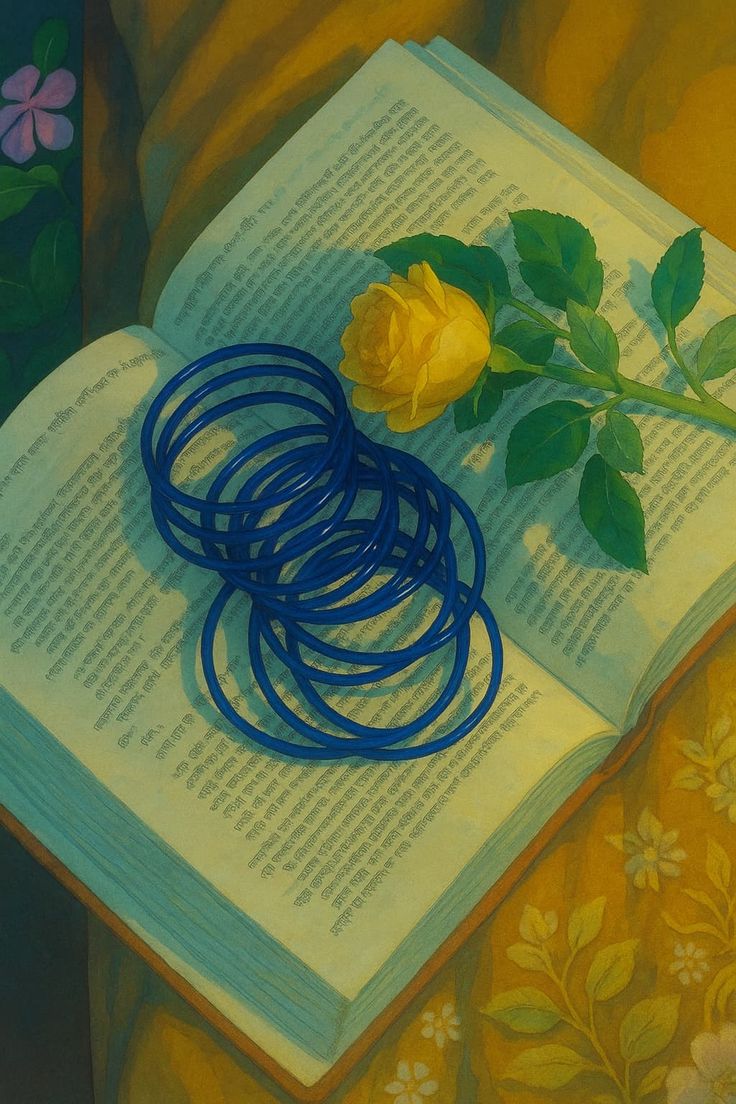
“You Were Silent”
Anna Rahman
(On the Decay of Brokenness and Love)
Life could have been radiant, yet we built our home on the shore of destruction.
The swift river knows no affection; it only breaks — silently, without any questions.
From the very beginning of our acquaintance, there was a shadow — the initial fatigue that foreshadows future bleeding,
Where poison seeps into love from the start,
Its sweetness never returns; only decay remains.
Love is like a tree, whose roots grow strong with trust —
Your silence caused rot at the root,
Where my honor once was protected.
You were silent—
When arrows flew at me from familiar faces,
You were silent—
When my tears touched your silent chest.
Those who spread poison are free now, absent from our home,
Yet their shadows envelop us, and your silence houses them.
Yet, whatever still survives beneath this broken pillar,
Is not merely love — perhaps the Creator himself placed it,
This little warmth is all we have left as our sustenance.
Have you ever thought — if you had been outspoken, steadfast, standing for truth—
Would I have been this broken today?
Would there still be such an echo of emptiness on this relationship’s body?
Introduction: The Heartfelt Message of the Poem
Starting with the line “Life could have been radiant,” this poem poignantly explores the complexities of relationships through the lens of brokenness and the decay of love. It is not merely poetry but a deep psychological analysis touching every silent pain hidden within relationships.
Structure and Main Themes
Divided into five stanzas, the poem gradually reveals:
- The destructive effect of silence
- Hidden problems at the start of relationships
- The impact of toxic environments
- The struggle to survive
- Unspoken questions and regrets
Key Symbols and Metaphors
a. The River Metaphor:
“The swift river knows no affection” — Here, the river symbolizes society or the surrounding environment that ruthlessly causes breakage without empathy. Relationships in such a society face nothing but breakage and decay of love.
b. The Tree Metaphor:
“Love is like a tree” — Trust is the root of love, and the poet describes silence as causing root rot. Just as a tree dies if its roots decay, relationships crumble without trust as their foundation.
c. The Architectural Symbol:
“Broken pillar” — Represents the shattered relationship, beneath which some hope still faintly survives.
Four Ways Silence Harms Relationships
1. Criticism: Attacking the partner’s character indirectly.
“Love is like a tree, whose roots grow strong with trust— your silence caused rot at the root, where my honor was protected.”
The poet accuses the partner’s silence as a form of indirect criticism, avoiding defense or support.
2. Contempt: Showing disdain or disrespect toward the partner.
“Their shadows envelop us, and your silence houses them.”
The partner ignores the poet’s pain, allowing toxic forces to prevail. This passive contempt is often more damaging than direct mockery.
3. Defensiveness: Avoiding blame by shutting down communication.
“Whatever still survives beneath this broken pillar… Have you ever thought— if you had been outspoken?”
The silence may stem from a defensive urge to avoid conflict, but it damages the relationship deeply.
4. Stonewalling: Complete withdrawal from communication.
“The swift river knows no affection, it only breaks— silently, without questions.”
The river metaphor indicates total silence and refusal to engage, even when the poet’s tears try to break through.
Toxicity in Relationships
The phrase “poison seeps in from the start” signifies the toxic nature of the relationship that starts with conflict and inevitably leads to separation. Toxic relationships begin with pain and often end in emotional breakdown.
The Struggle to Survive
The closing lines — “This little warmth is all we have left as our sustenance” — symbolize the effort to keep the relationship alive, often out of habit or social pressure, rather than true love. Genuine love surviving such damage is rare.
Dialogue with the Reader
This poem challenges readers with profound questions:
- Can silence ever be an expression of love?
- How do you recognize when silence becomes harmful?
- How can hope be sustained in a broken relationship?
A Reader’s Reflection
“Reading the line ‘You were silent’ reminded me of my ten-year marriage, where accusations from others were constantly laid on me, and my husband never defended me—he remained silent in all those moments. Now I realize that silence was the cause of our distance.”
Literary Context
On the Decay of Brokenness and Love This poem’s themes of brokenness and decay echo the melancholia and rhythm of Jibanananda Das’s poetry, especially reminiscent of:
- “Bonolota Sen” with its nature metaphors
- The continuous yet unresolved flow of time and memory
Conclusion: A Call to Break the Silence
The poem ends with an unspoken question — “Would there still be such an echo of emptiness if you had spoken out?” — urging readers to reflect deeply on their own relationships.
Message of Awareness:
- Silence is never a solution.
- Courage to speak even harsh truths is essential.
- Communication is the foundation of every relationship.
“Distance is not the greatest enemy of love, nor pride—rather this silence slowly pushes everything towards death.”
📌 Share Your Thoughts:
Has this poem touched your life experience? Share your story with us on our Facebook page “Nobojuger Kabbo” via comments or inbox.
Note:
The interpretations and explanations in this blog post are entirely imaginative and literary in nature. The metaphors used are symbolic and not scientific facts. No part of this content may be copied, stored, or republished without the author’s permission.
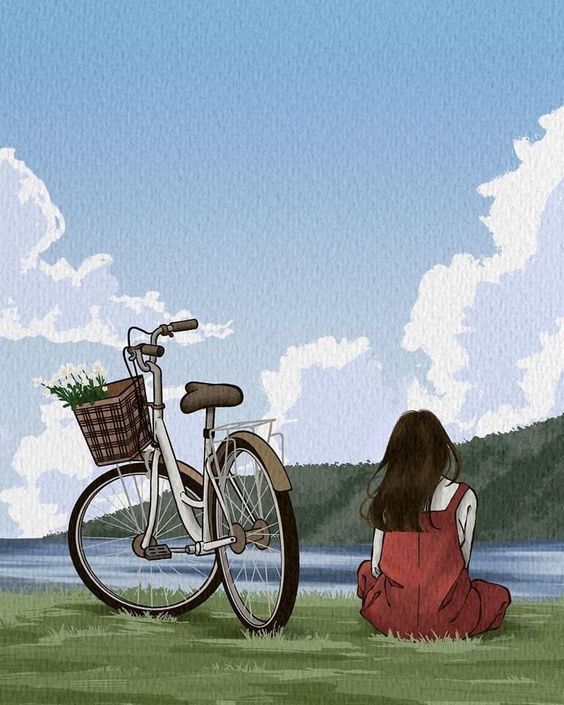
They Want My Good, Not Me — Tamanna Rahman
(Rebel Poem)
They want my good, yet they do not want me.
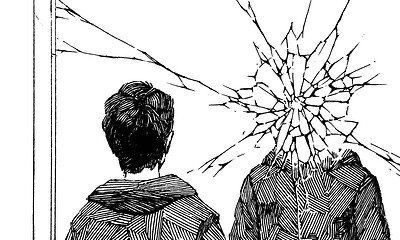
My ways resemble a mirror of shattered glass.
Because of this, they claim it pierces their hearts and spills silent blood.
As a result, they call me unbearably strong.
I have no mercy and no softness; therefore, they see me as a heart of stone.
In the so-called civilized world, I stand without a voice.
Instead of working in the way they expect, I spark disputes and questions.
For this reason, they never become blindly in love with me.
They want my good, but they reject my existence.
In fact, they say no good ever comes from my hands.
They call me an ill-omened owl, and they believe my face itself is a sin to behold.
Consequently, wherever I go, curses follow me like shadows.
Rebel Poem: “Broken Glass Mirror — Society’s Twisted Truths”
Introduction
Every word of this poem carries the sound of rebellion.
It rises when society’s conditional love clashes with the independence of the self.
Because personality grows from social interest, the absence of it often leaves a person without identity.
However, this poem questions whether such social structures are in fact a hidden civil war.
Here, the poet openly calls herself stone-hearted and ill-omened.
She describes how her face alone is enough for society to declare her sinful.
Meanwhile, she becomes a voiceless outsider—someone who, instead of joining in conventional work, creates challenges to the system.
As a result, the love shown to her is not pure but shadowed by contradictions.
This poem also exposes the uncertainty and masked behaviors in the name of love.
Most people hide behind masks, and therefore it becomes difficult to know who truly wishes us well.
Poem Structure
The poem unfolds in three layers:
- Crisis of Self-Identity:
“They want my good, not me—my manners a mirror of broken glass.” - Cruel Judgment of Society:
“Stone-hearted—voiceless in a civilized society.” - Rebellion and Curse:
“Ill-omened owl—wherever I go, I carry only curses.”
Throughout these layers, the poet moves from one metaphor to another—
From a mirror, to stone, and finally to the image of an owl.
Deep Analysis
The line “It pierces their hearts” suggests that the poet’s truth acts as a thorn, causing pain to those who encounter it.
“Avoiding work, creating conflict” reflects an act of self-critique.
In fact, it hints at an emotional struggle against the superstitions and false values of society.
Cultural Narrative
- Ill-Omened Owl:
In rural Bengali traditions, owls often symbolize bad luck.
Yet in nature, owls are sharp hunters with exceptional hearing.
Therefore, in this poem, the owl becomes a symbol of superstition and false judgment.
Cultural & Historical Context
- Bengali Rebel Poetry:
Similar to Kazi Nazrul Islam’s “Bidrohi” (The Rebel), this poem also shows strength in being “broken.” - Global Context:
Comparable to Japan’s hikikomori and Norway’s friluftsliv, the poem reflects the desire to live without imposed boundaries.
Personal Experience Behind the Poem
I wrote this during a fierce stormy night in Asharh, 2019.
Outside, hail and rain drowned every other sound.
After spending hours alone, I joined a tea table with acquaintances.
During our conversation, one well-wisher suddenly asked,
“Why do you always want to be different from others?”
This question sparked the creation of these verses.
In the end, the poem unmasks the conditional nature of society’s so-called love.
Reader Reflection Questions
- Which social mold has pressured you the most?
- Have you ever been called an “ill-omened owl”?
A Reader’s Comment
After reading this poem, I remembered when I first got a tattoo and went to the office.
My boss frowned and asked, “Is this professional?”
I replied, “Judge my work, not my arm.”
Closing
By the end, the poem settles into despair mixed with self-definition.
The poet labels herself an “ill-omened owl” who carries curses wherever she goes.
However, the poem’s message is clear: perfection is never whole.
People’s happiness depends on financial freedom and the courage to be themselves.
Often, those labeled unlucky by society become the pioneers of the future.
Here, the “curse” becomes a kind of liberation—because a broken mirror reflects the truth,
While a perfect one shows only convenient illusions.
📌 Disclaimer:
All interpretations here reflect the author’s literary vision.
Reproduction without permission is prohibited.

Monsoon’s Love Ballad: Love & Nature in Bengali Poetry

On the Decay of Brokenness and Love: Toxicity and Survival

Rebel Poem: Broken Glass Mirror and Society’s Twisted Truths

“Diary of Memories: Timeless Depths Captured in Poetry”

অস্তিত্বের সংকট কবিতা: আয়নায় প্রতিবিম্বহীন আত্মার গল্প”

দাম্পত্য জীবনের রহস্য: প্রেম, বিশ্বাস ও সমঝোতার পদ্য

“বৃষ্টির কবিতা বাংলা | কদম ফুলের স্মৃতি ও হৃদয়ছোঁয়া পদ্য”

“কোরবানির প্রকৃত অর্থ কি? ইসলামে আত্মত্যাগের মহিমা”

আষাঢ়ে অপেক্ষা কবিতা | বৃষ্টির স্মৃতিতে এক হারানো প্রণয়ের আখ্যান

টক্সিক রিলেশনশিপ কবিতা | সম্পর্কের নীরব যন্ত্রণা ও বিচ্ছেদের অনুভূতি


“Diary of Memories: Timeless Depths Captured in Poetry”
অস্তিত্বের সংকট কবিতা: আয়নায় প্রতিবিম্বহীন আত্মার গল্প”
দাম্পত্য জীবনের রহস্য: প্রেম, বিশ্বাস ও সমঝোতার পদ্য
“বৃষ্টির কবিতা বাংলা | কদম ফুলের স্মৃতি ও হৃদয়ছোঁয়া পদ্য”
“কোরবানির প্রকৃত অর্থ কি? ইসলামে আত্মত্যাগের মহিমা”
আষাঢ়ে অপেক্ষা কবিতা | বৃষ্টির স্মৃতিতে এক হারানো প্রণয়ের আখ্যান
-

 সৃজনশীলতা10 months ago
নিখোঁজ ভালোবাসা – একাকিত্বের আধুনিক অভিধান
-

 সৃজনশীলতা10 months ago
ভালোবাসার বন্ধন | হৃদয়ছোঁয়া প্রেমের ছন্দে বাঁধা এক গল্প
-
 কবিতার রাজ্য10 months ago
রাত জাগা পাখি: জীবনের নিঃশব্দ ত্যাগ ও জাগরণের প্রতিচ্ছবি
-
 কবিতার রাজ্য10 months ago
বাংলার খারাপ মানুষ – খারাপ চরিত্র বদলাক, সমাজ হোক ভালোবাসার
-

 অনুপ্রেরণার কবিতা10 months ago
বিরহের কবিতা – একাকিত্বে ডুবে থাকা ভালোবাসার আর্তি
-

 কবিতার রাজ্য10 months ago
সময় বড্ড দামী- দেওয়া মানেই কি ভালোবাসার গুরুত্ব?
-

 কবিতার রাজ্য10 months ago
“অবিচ্ছিন্ন ভালোবাসা: সম্পর্কের এক অনন্য দার্শনিকতা”
-

 কবিতার রাজ্য10 months ago
মানুষের আসল চেহারা – এক বাস্তব কবিতার আয়নায়